








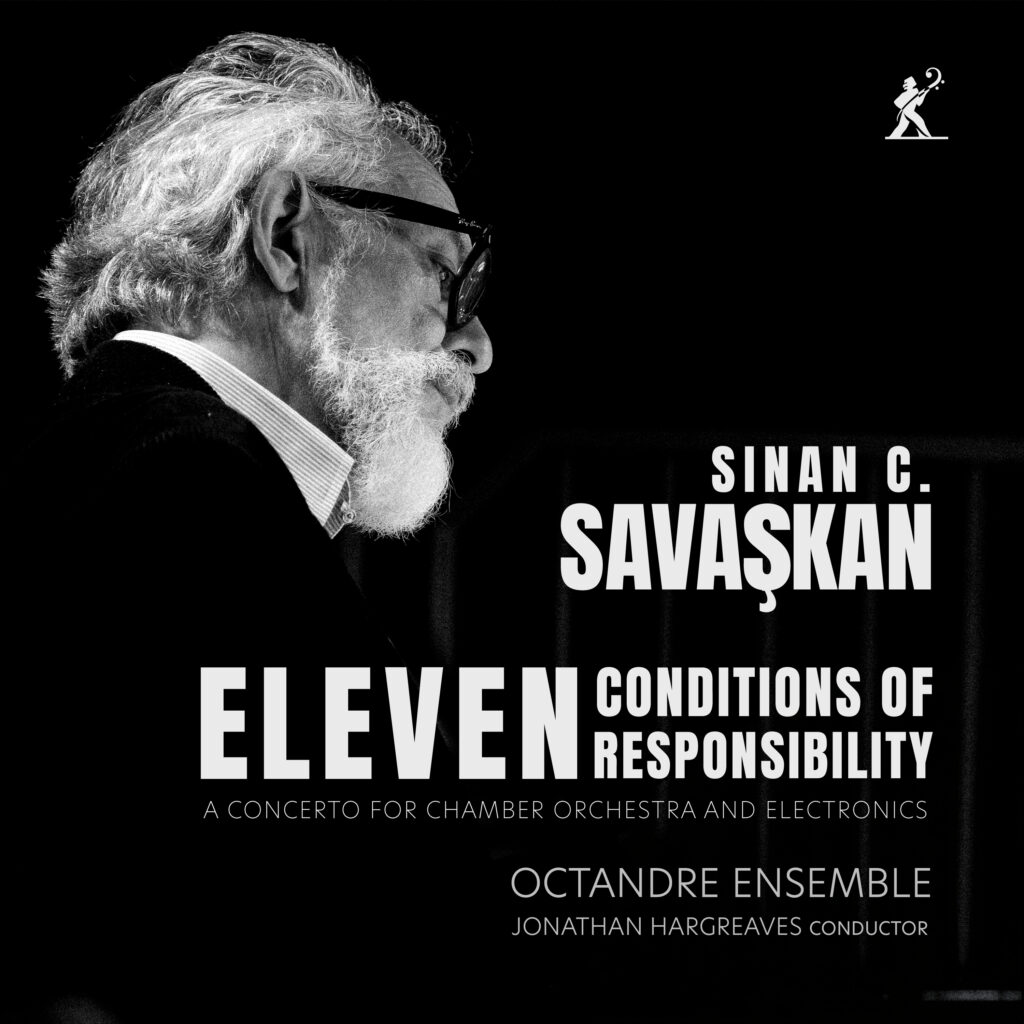
Savaşkan’s CV testifies both to his relevance and a kind of covert ubiquity: any composer whose works have been performed by the likes of the BBCSO and the Smith Quartet, while also counting smarter-than-average pop mainstays Mika and Dido among his students, deserves attention. He identifies as a Constructivist, which in lesser hands could be a self-inflicted punishment. But one of the attractions of his music is the way in which he makes this ideology work at its two most crucial levels: a respect for how things are assembled and how they operate alongside an invitation to engage with the processes that result. The composer’s extensive and commendably lucid booklet notes function as a listener’s manual as much as an expositionary statement, to the extent that any attempt at a critical summary would amount to a list of spoilers. Paradoxically, though, the music is best listened to without reference to them in the first instance, letting the sophisticated structural elements present themselves in real time while allowing the listener to enjoy their explanation afterwards. What we hear, then, is a music that is intense, angular, emotionally charged, variegated and captivating, grounded in the atonality of the Second Viennese School which the composer acknowledges as an early inspiration while possessing a complex architecture. Producers John Croft and Carl Faia are also notable composers and know how to handle this stuff.
—Roger Thomas